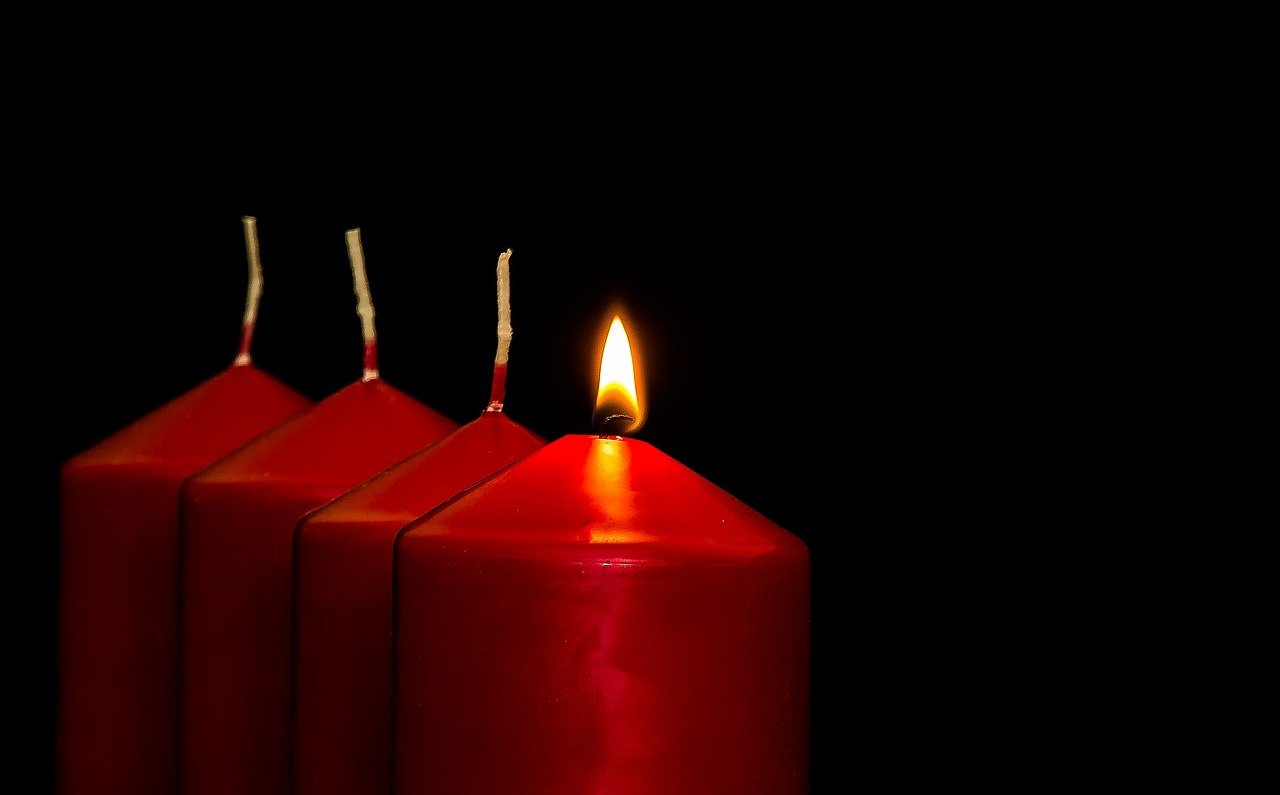
 Image by Myriams-Fotos from Pixabay On this First Sunday of Advent, letters of hope and promised returns from this day and days of old will be shared through the medium of music.
Cantor and cellist Lucas Jackson joins me in an intimate offering of Advent carols for the 9:00 a.m. service. We reprise our setting of the ancient tune "Veni Emmanuel" at the 11:00 a.m. service as well. The organ speaks at the 11:00 a.m. service with the closing voluntary on the tune "Morning Song." Most closely associated with the Advent text "The King Shall Come When Morning Dawns," this majestic imagining of the tune resonates with the assured triumphal return of Jesus' reign on earth. The Chancel Choir brings us yet another "Advent Message." Written by British composer Martin How, this work implores the heavens for Jesus to live in our hearts featuring John the Baptist's cries in the desert presented by Plymouth's Staff Singer Blair Carpenter.
0 Comments
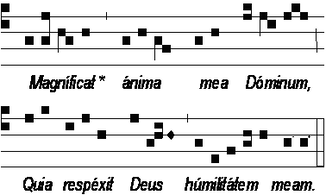 By MicheletB - Own work, CC BY-SA 3.0, https://commons.wikimedia.org/w/index.php?curid=1504323 By MicheletB - Own work, CC BY-SA 3.0, https://commons.wikimedia.org/w/index.php?curid=1504323 Songs of Mary
Marcel Dupre's Opus 18 contains fifteen improvised interludes based on vesper psalms and antiphons. Two Marian selections will be heard this Sunday: "How Fair and How Pleasant Art Thou" and the fifth movement from his six part "Magnificat," an ethereal depiction of the Magnificat text, "As he promised to our forefathers, Abraham, and his seed for ever." Soprano Blair Carpenter sings "Christmas Lullaby" by Jason Robert Brown, a musical theater-inspired offering from the perspective of a modern-day Mary. On December 23, we offer the annual Longest Night service in lieu of Vespers, with harpist Alaina Bongers and flutist Rebecca Quillen. Songs of Expectation and New Life 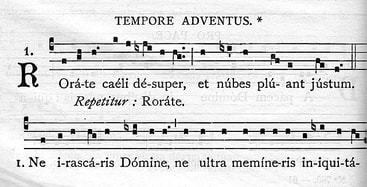 By Der wahre Jakob - Own work, CC BY-SA 4.0, https://commons.wikimedia.org/w/index.php?curid=74907093 By Der wahre Jakob - Own work, CC BY-SA 4.0, https://commons.wikimedia.org/w/index.php?curid=74907093 "Rorate caeli" (Drop down, ye heavens) are the opening words of Isaiah 45.8 in the Vulgate bible, the late 4th century Latin translation of scripture. By the seventeenth century, this text was fused with other selected passages to form the Advent Prose and subsequently applied to liturgies and choral anthems for the Advent season. The Gregorian Chant melody ascribed to "Rorate caeli" is set beautifully in a tranquil setting by Jeanne Demessieux from her 12 Chorale Preludes on Gregorian Chant Themes, Op. 8 from 1950.
Two carols of the Advent season follow: my minimalist setting of the chorale "Savior of the Nations, Come" played by members of the Plymouth Ringers and a voluntary on the tune "Morning Song" by Richard Proulx, often paired with the text "The King Shall Come When Morning Dawns." Next week's Vespers offers a Celtic Advent theme with bassist Peter Strening joining us.. 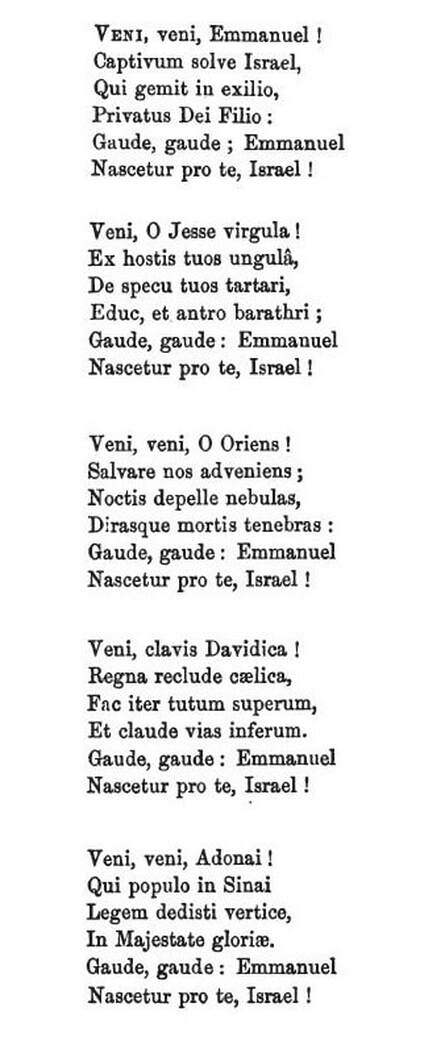 By Unknown author - John Mason Neale: Hymni Ecclesiae, Oxford/London 1851, p. 57-58, Public Domain, https://commons.wikimedia.org/w/index.php?curid=37266010 By Unknown author - John Mason Neale: Hymni Ecclesiae, Oxford/London 1851, p. 57-58, Public Domain, https://commons.wikimedia.org/w/index.php?curid=37266010 Songs of Advent from the ages: two chorale preludes and a chant. Come, Jesus, Come.
J.S. Bach intended his Orgelbüchlein (little organ book) to be a source of pedagogy for aspiring organists and also contain works covering the entire liturgical year. While never fully completed, two works from the Advent section will be heard this Sunday: "Gottes Sohn ist kommen" (Once He Came in Blessing) and "Nun komm, der Heiden Heiland" (Savior of the Nations, Come.) Simple works, yet ever artful. The 14th century tune "Veni Emmanuel" (O Come, O Come Emmanuel) is given a minimalistic treatment in my setting for the Plymouth Ringers. At our next 7:00 p.m. Midweek Vespers on December 9, an Advent Taizé service will be offered with violinist Harmony Tucker. 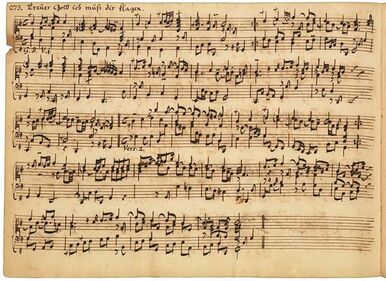 By Georg Böhm - [1], Public Domain, https://commons.wikimedia.org/w/index.php?curid=55268921 By Georg Böhm - [1], Public Domain, https://commons.wikimedia.org/w/index.php?curid=55268921 We welcome the Advent season with variations on "Freu dich sehr, o meine Seele" (Rejoice greatly, O my soul) by Baroque composer Georg Bõhm. This tune from the 1551 Genevan Psalter is most associated with the Advent text by 18th century hymn writer Johannes Olearius, "Comfort, Comfort Ye My People."
A gentle reprieve is offered at service midpoint by violinist Harmony Tucker in the "Adagio" from G.F. Handel's "Violin Sonata in F Major, HWV 370." For Vespers this December 2, a service of Advent hymn and carols in the folk tradition with guitarist Bill Demarco. 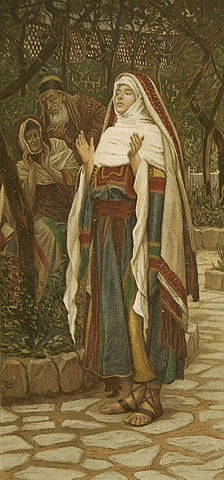 By James Tissot - [1] of Brooklyn Museum, see also Online Collection, Public Domain, https://commons.wikimedia.org/w/index.php?curid=16170328 By James Tissot - [1] of Brooklyn Museum, see also Online Collection, Public Domain, https://commons.wikimedia.org/w/index.php?curid=16170328 On this Fourth Sunday of Advent, the Vision and Light of Christmas grows nearer illuminating the receding and darkening days of wintertime.
In the morning, the birth of one to be known as "Immanuel" (God with us) is foretold. A prayerful and jazz-laced setting of "Veni Emmanuel" begins the services and opens our hearts to the coming of Christ. At the early communion service, two Marian songs will be offered by soprano Blair Carpenter: "A Slumber Song of the Madonna" by Samuel Barber and "The Stable" by Royal Brantley. "How Fair and How Pleasant Art Thou" by Marcel Dupré began as a series of improvisations based on Vespers Antiphons for the Assumption of Mary. So well-received was this music that he was compelled to notate them for publication. Dupré's antiphons have been described by Pipedreams host Michael Barone as "grave yet rapturous." Gustav Holst was a pioneer of the now common hymn-anthem for church choirs. His setting of the Marian-themed communion hymn "Let All Mortal Flesh Keep Silence" will be offered at the 11:00 a.m. choral service. The annual 6:00 p.m. Longest Night Service celebrates the hope of Advent while acknowledging the Winter Solstice (December 21) and the inevitable colder days and longer nights ahead. Accompanied by harp, flute, cello, organ and piano, songs and musical expressions of solace, hope, and ice will be offered in this richly contemplative service. The Chamber Choir will sing Bob Chilcott's setting of the ancient text "Nova! nova!" (News! news!) reminding us that even in darkness, the Good News of the Birth of Light in Christ will soon be upon us. 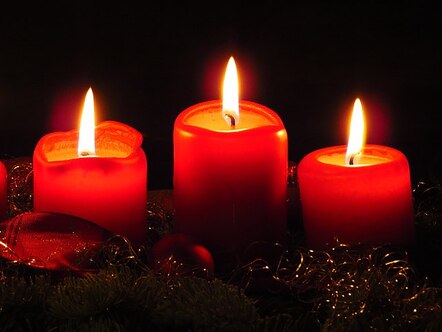 By Hans - https://pixabay.com/en/advent-wreath-candles-flame-80114/ archive copy at the Wayback Machine (archived on 8 October 2013), CC0, https://commons.wikimedia.org/w/index.php?curid=64791155 By Hans - https://pixabay.com/en/advent-wreath-candles-flame-80114/ archive copy at the Wayback Machine (archived on 8 October 2013), CC0, https://commons.wikimedia.org/w/index.php?curid=64791155 At all three services this weekend, we experience a taste of the Anglican Advent Carol Service through lessons of prophecy and carols from this season of Advent.
From the organ this Sunday morning, Brahms' adored setting of "Lo, How a Rose E'er Blooming" brings us to a time of centering silence. An inventive setting in irregular meters of "Savior of the Nations, Come" by Kevin Hildebrand accompanies the early service communion. From the Advent portion of Bach's Orgelbüchlein, "Lord Christ, the Only Son of God" brings the services to a majestic close. At the 11:00 a.m. Choral Service, two traditional responses for an Anglican Advent Carol Service will be sung by a quartet: Palestrina's Matin and Vesper Responsories. The Chancel Choir will offer Libby Larsen's "Lord, Before This Fleeting Season," a setting of a poem by Mary Ann Jindra widely circulated this time of the year. Be inspired and enlightened by these words in this busy season: Lord, before this fleeting season is upon us, Let me remember to walk slowly. Lord, bless my heart with love and with quiet. Give my heart a leaning to hear carols. Grace our family with contentment, And the peace that comes only from You. Lord, help us to do less this busy season; Go less; stay closer to home; kneel more. May our hearts be Your heart May we simply, peacefully, celebrate You. 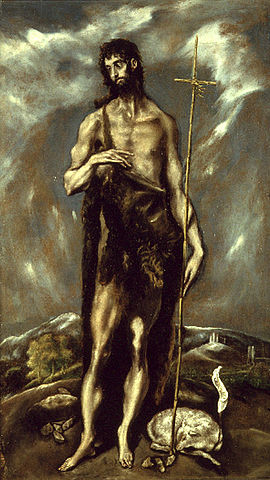 By El Greco - [2], Public Domain, https://commons.wikimedia.org/w/index.php?curid=3786113 By El Greco - [2], Public Domain, https://commons.wikimedia.org/w/index.php?curid=3786113 The Second Sunday of Advent takes us to the proclamation of John the Baptist: prepare your hearts for baptism in the Spirit by one greater than he. The foretelling of Christ's birth and the arrival of Light and Peace to the world becomes this Sunday's muse.
The morning services begin with excerpts from Georg Böhm's twelve movement partita "Freu dich sehr, O meine Seele" (Rejoice Greatly, O My Soul). The tune, originally composed by Louis Bourgeois for inclusion in the 16th century Genevan Psalter as Psalm 42, is most well-known today as the Advent carol "Comfort, Comfort O My People." The playful and highly imaginative variations on this sprightly tune effortlessly evoke the affect of Baroque Joy. During the early service communion, an intimate setting of "Rorate caeli" by virtuoso French organist Jeanne Demessieux will be played from her collection Twelve Choral Preludes on Gregorian Chant Themes. "Rorate caeli" is the opening Latin text of The Advent Prose, first line translated as "Let the heavens drop dew from above," originating in the Roman Catholic tradition. At services' end, a joyous setting of the Advent hymn "Lift Up Your Heads, Ye Mighty Gates" by Dutch organist Jan Bender manifests well the hymn writer's exclamation in the closing verse: "Thy Holy Spirit lead us on until our glorious goal is won; eternal praise, eternal fame be offered, Savior, to thy name!" The Chancel Choir presents "Come, Jesus, Come," an elegant setting of an insightful and contemporary text by the Reverend Carl Daw, an Episcopal priest and respected hymn writer. Organist Linda McGinn and flutist Aaron McGrew will also join.  By Joel Bez - https://www.flickr.com/photos/lejoe/4157221727/, CC BY 2.0, https://commons.wikimedia.org/w/index.php?curid=12459149 By Joel Bez - https://www.flickr.com/photos/lejoe/4157221727/, CC BY 2.0, https://commons.wikimedia.org/w/index.php?curid=12459149 The beginning of a new liturgical year, and so the time of Advent, is upon us this Sunday.
We greet the season in part with two organ selections based on traditional Advent carols. "Once He Came in Blessing" is a 16th century German carol written by a contemporary of Martin Luther, Michael Weiss. The setting by J.S. Bach from his Orgelbüchlein collection will be offered during the prelude. The cantus firmus (or tune) is clearly expressed on a reed stop in the pedal with the manuals gently playing the tune in canon using a three part chorale texture. The tune Morning Song, commonly paired with the Advent text "The King Shall Come When Morning Dawns", closes the services with a boisterous setting by Richard Proulx. At the 9:00 service, violinist Harmony Tucker plays "Abendlied," from Josef Rheinberger's 6 Pieces, Opus 150, a collection of duets for organ and violin. Abendlied translates as "evening song," a precursor to our darkening days as winter quickly approaches. The Chancel Choir offers an "Advent Message" by British composer Martin How. Conducted by Amy Welsh, the work provides a synopsis of this fleeting season as we prepare our hearts for the renewed birth of Light and Christ in our hearts. 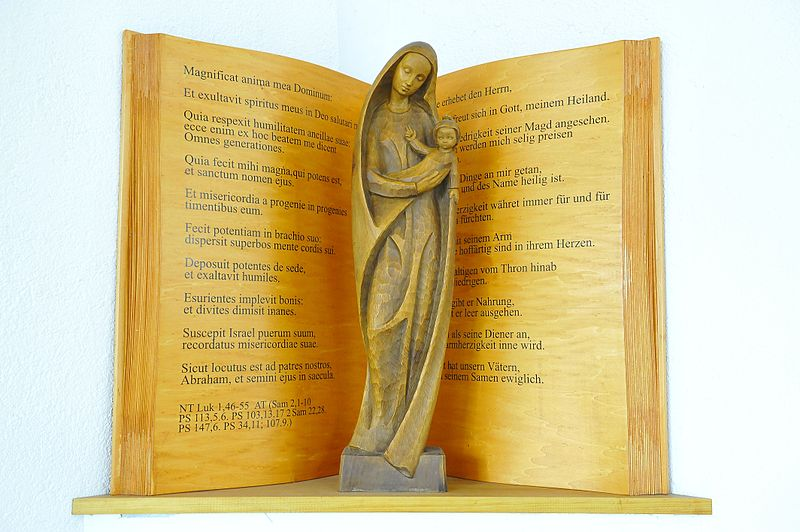 Side altar in the parish church “Saint George”, Austria. - Source: Johann Jaritz The final composer in this month's Advent Baroque composer series will be Jean-Adam Guilain (c. 1680 -1739). Guilain was born in Germany but spent the majority of his life in France. Not much is known of him but his surviving musical output demonstrates an embracement of the French Classique tradition over the North German organ composition ethos. This Sunday morning, we'll hear excerpts from his singular collection of organ works entitled Pièces d'orgue pour le Magnificat sur les huit tons différents de l'église published in 1706. Each of the eight suites is based on the Gregorian Chant melody of the Magnificat in all eight church modes. The suites were intended to be sung in alternation with the chanted verses of the Magnificat and will be treated as such this Sunday morning with cantor Blair Carpenter, utilizing tone two.
Two other Marian works will be represented this Sunday morning as well. At 9:00 a.m., Blair Carpenter will sing Hugo Wolf's art song Nun, wandre Maria during the communion time. At the 11:00 a.m.service, the Chancel Choir will offer Ave, Ave, the Angel Sang, by prolific contemporary composer Robert Lau. |
|
 RSS Feed