|
And now we will delve into an analysis of the whole novel... just kidding.
Several weeks ago, someone asked what I wanted to play on my last Sunday. I said that it would depend on what the scriptures are, because worship isn't about me (or my last Sunday). But, I added that I hoped that it would be something for which the hymn "When Our Song Says Peace" would work, because I have a great arrangement that really highlights the contrasts of the first verse. When our song says peace and the world says war, we will sing despite the world. We will trust the song, for we sing of God, who breaks the spear and sword and stills the storms of war. - Richard Leach On the surface of David Cherwien's arrangement you will hear the obvious contrasts of peace and war. But since just playing something like this is never sufficient for me, I have to constantly analyze the music I play. There is so much embedded in this arrangement that most listeners would be unlikely to pick up on, but a music theorist would. The war-like sections are composed of some musical elements that have striking implications. The chords that are moving quickly in the middle register are actually all major chords, which seems odd in a section depicting war. However, there are two other notes being played above that. With the top note of the major chords they form a Webern trichord -- one of the most dissonant chords of three notes, named after the composer Anton Webern (who frequently used it). Coincidentally, Webern died during World War II. In another part of the war section, there is a musical idea that builds from a single note into heavy dense clusters built out of whole-tone scales in opposing directions, a musical element often associated with the music of Claude Debussy, who died in World War I. I don't think the use of these particular elements is coincidental. In the final peaceful statement of the last phrase of the hymn tune, along with the final note, Cherwien includes fragments of some of the musical ideas in the war section, like shrapnel embedded in the peace that remains. On this Refugee Sunday, may we be quick to recognize in that final section the refugees we come into contact with -- the peace of having made it here, while still carrying in their souls the shrapnel of where they have come from. When, like the psalmist, they cry out "How long?" help us to sing God's song full of the promise to still the storms of war. Marshall
0 Comments
My soul cries out with a joyful shout that the God of my heart is great, and my spirit sings of the wondrous things that you bring to the ones who wait. You fixed your sight on your servant's plight, and my weakness you did not spurn, so from east to west shall my name be blest, could the world be about to turn? - Rory Cooney On this Second Sunday of Advent, we meditate upon the herald of peace in the Christmas story and the Christ-Light within us all. Songs of light, longing and comforting peace this Sunday morning.
The Plymouth Ringers open worship with a setting of the ancient Advent chant "Veni, Veni, Emmanuel" by Sandra Eithun. The original medieval text was sung in the seven days before Christmas Day as part of the Magnificat during vespers in monastic life. These "O Antiphons" were later joined with the 15th French melody we have come to know as probably the most well-known Advent hymn, "O Come, O Come, Emmanuel." The Chancel Choir offers "My Soul Cries Out" in a lively arrangement by Mark Hayes. Subtitled "Canticle of the Turning," the words by Rory Cooney refer to John the Baptist's call to turn away from one's darkness and repent with overt allusions to Mary's Song (The Magnificat). The Irish tune "Star of the County Down" forms the basis of this cheerful anthem with its Celtic flavor further enriched by violinist Harmony Tucker. A toccata setting of the final hymn "People, Look East" by Rebecca Groom te Velde closes worship on a hopeful note as we turn closer to the Yuletide season. The French hymn tune "Besancon Carol" is treated in a manner reminiscent of a carillon with its repetitive bell-like figures interwoven with the carol tune. Foreshadowing Christmas Day, the melody of the Epiphany hymn "How Lovely Shines the Morning Star" playfully enters the texture near the piece's conclusion. At 9:00 a.m., an eclectic musical message of peace and preparation in this season of waiting will be presented. Guitarist Alan Skowron, cantor Alex Young, and bassist Con Woodall join us in the chancel.
At 11:00 a.m., two settings based on the melody of the Advent hymn "Comfort, Comfort O My People" will be offered from the organ. At the Prelude, excerpts from the partita on "Freu dich sehr, o meine Seele" (Rejoice Greatly, O My Soul) by Baroque composer Georg Böhm will be heard. At the Postlude, a declamatory statement on the hymn tune, entitled Psalm 42 for inclusion in the 1539 Genevan Psalter, by contemporary American composer Craig Phillips closes worship. The choir becomes a unified voice calling from the chancel in the anthem "Prepare the Way, O Zion" by Kenneth Drake with violinist Harmony Tucker. "There is no way to peace. Peace is the way." - Mahatma Ghandi At the 9:00 a.m. service, musical expressions from the road of peace in the jazz, folk, and Celtic traditions will be prayerfully offered by guitarist Bill DeMarco, vocalist Lucas Jackson, bassist Peter Strening and I. Come walk the way of peace this Sunday morning.
At the 11:00 a.m. service, the Chancel Choir sings "Let All Mortal Flesh Keep Silence" in a transcendent setting by Larry Shackley. Violist Ethan Buell joins us in this hauntingly beautiful anthem during communion. From the organ, two venerable Advent carols in distinctive contemporary settings will be heard. At the Prelude, the Marian hymn "Lo, How a Rose E'er Blooming" is presented in an ethereal tone by Mary Beth Bennett befitting the Isaiah 11 prophecy referred to in the hymn text. At the Postlude, a declamation on the Genevan psalter tune "Psalm 42" (the tune most associated with the Advent hymn "Comfort, Comfort O My People") will sound as a fanfare-like voice in the wilderness. Songs of unity, peace, and diversity this Sunday morning.
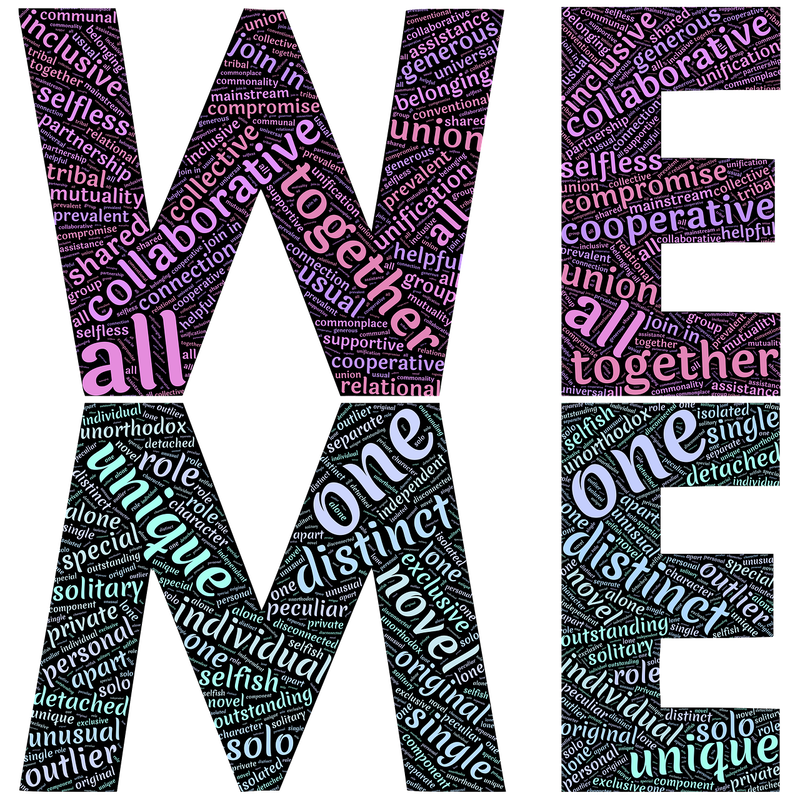
At the 9:00 a.m. service, an eclectic display of wisdom and sounds from such diverse sources as Guatemala, jazz, and Buddhist texts will be shared. Vocalist/cellist Lucas Jackson, resident ukulelist Stuart Yoshida, and bassist Peter Strening join us for early morning worship. The organ speaks colorfully with two works showcasing the varied timbres of the sanctuary organ. "Lied to the Flowers" from Belgian composer Flor Peeters is an ode to the beauty of nature and its wonderful living art. The collage of color beautifully showcased by flowers is represented with an imaginative use of registration from the organ. A playful toccata ("Toccata giocosa") from Welsh composer William Mathias employs an ever-shifting change of stops to highlight the sectional nature of this work. The Chancel Choir tells us the good news that the water is just fine, with God's guidance, in a rousing and quirky setting of the spiritual "Wade in the Water" by Bruce Trinkley. After the 11:00 service, learn more about the organ (the "King of Instruments" according to Mozart) in an Organ Encounter with your truly! It will be a casual show-n-tell presentation with Q&A from 12:15 - 1:00 p.m. Hope to see you there! Songs of peace and hope this Sunday morning.

At 9:00 a.m., cantor and cellist Lucas Jackson, guitarist Alan Skowron, bassist Peter Strening and I bring offerings of tranquility and goodwill in music by Alan Skowron, Horace Silver, and George Harrison. At 11:00 a.m., the organ warmly reminds those gathering that "Jesus Calls Us; O'er the Tumult" in an intimate jazzy setting by William Bolcom. The Chancel Choir calls for a "Prayer for Peace" in an interactive hymn-anthem by David Cherwien. To close the service, a rousing "Toccata in 7" by famed British composer John Rutter. |
Details
|
RSS Feed